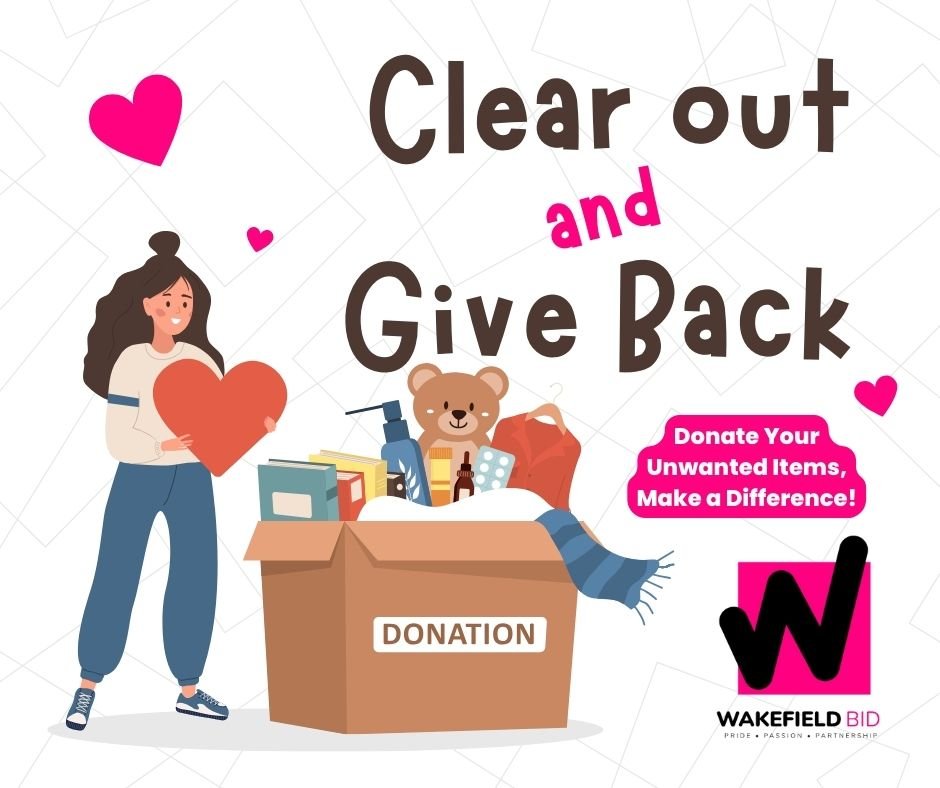
It feels good to help, doesn't it? That satisfying thud as you drop off a bag of groceries, the peace of mind knowing those old clothes will find a new home, or the quiet act of supporting a cause you believe in. But navigating the landscape of local giving can sometimes feel a bit like trying to find a specific book in a vast library without a catalogue. If you're wondering How to Donate to Wakefield Charities effectively, efficiently, and with the most local impact, you've come to the right place. This guide cuts through the clutter, offering clear, actionable steps to ensure your generosity makes a tangible difference right here in our community.
At a Glance: Your Quick Guide to Giving in Wakefield
- Food Donations: Support the Wakefield Food Pantry with non-perishable staples. Check their "most needed" list for maximum impact.
- Household Items & Clothing: The Community Give Box in Trinity Walk welcomes toys, tech, clothes, and bedding. They help those in crisis directly.
- Always Check: Before donating, verify item condition, expiration dates, and current needs.
- Drop-off Points: Numerous convenient locations for food, and a dedicated shop for household goods.
- Think Local First: Both featured charities keep 100% of their impact within the Wakefield District.
- No Large Furniture: Most local charities, including The Community Give Box, cannot accept large furniture but can often signpost you to others who can.
- Beyond Goods: Consider volunteering or monetary donations for long-term support.
The Heart of Our Community: Why Your Local Donations Matter
Wakefield is more than just a place on a map; it's a vibrant community sustained by the kindness and generosity of its residents. When you donate to local charities, you're not just giving away items; you're investing directly into the wellbeing of your neighbors, strengthening the fabric of our town. Your contributions become a lifeline for families facing hardship, a source of comfort for those rebuilding their lives, and a testament to the compassionate spirit that defines Wakefield. This direct impact is what makes local giving so powerful and profoundly rewarding. To truly understand the breadth of support available, you might also want to Learn more about Charity Wakefield and how they orchestrate various initiatives across the district.
Whether it’s putting food on a table, providing warm clothing, or offering essential household items, your thoughtful donation helps create a safety net for those who need it most, ensuring that help is always within reach for individuals and families facing various challenges.
Nourishing Our Neighbors: Donating to the Wakefield Food Pantry
One of the most immediate and impactful ways to give locally is by supporting the Wakefield Food Pantry. This vital service provides essential groceries to individuals and families struggling with food insecurity, ensuring no one in our community goes hungry. Your donation of non-perishable food items directly translates into meals and peace of mind for those facing difficult times.
What the Pantry Needs Most: Maximizing Your Impact
To make your donation truly count, focus on the items that are consistently in high demand. These specific requests help the pantry provide balanced and necessary provisions to everyone they serve.
Here's their most-needed list:
- Cereal: A breakfast staple for all ages.
- Pasta: Versatile and filling.
- Pasta-a-Roni / Rice-a-Roni: Quick and easy meal components.
- Canned Hearty Soup/Stews: Nutritious and comforting, especially during colder months.
- Snacks: Items like cookies, crackers, and chips are appreciated, particularly for children.
By prioritizing these items, you're helping the pantry stock its shelves with exactly what our neighbors require most.
Convenient Drop-Off Locations for Your Food Donations
The Wakefield Food Pantry understands that convenience is key to encouraging consistent giving. They've established several accessible drop-off points throughout town, making it easy to incorporate a donation into your daily errands.
You can drop off food items at these locations:
- Americal Civic Center: 467 Main Street (Monday-Friday, 8 am - 6 pm)
- Beebe Library: Avon Street side (check library hours)
- Shaw’s Supermarket: 134 Water Street (look for the designated donation bin)
- St. Joseph Church Foyer: (check church hours)
- Wakefield Town Hall: (check operating hours)
- The Savings Bank: Lakeside branch (check bank hours)
- McCarthy Senior Center: 30 Converse St. (check center hours)
These widespread locations ensure that no matter where you are in Wakefield, a donation point is likely nearby.
Arranging Large Food Donations: A Smooth Process
If you have a substantial amount of food to donate—perhaps from a community food drive, a business surplus, or a large personal contribution—the Wakefield Food Pantry is happy to help facilitate. For large donations, it’s best to contact the pantry directly to arrange a convenient pickup or delivery. This ensures they have the staff and space ready to receive your generous contribution without disruption to their daily operations. A quick call or email can coordinate logistics, making the process smooth for everyone involved.
Beyond the Bins: The Power of Little Free Pantries (LFPs)
While drop-off bins are fantastic for spontaneous donations, Wakefield also embraces the concept of Little Free Pantries (LFPs). These community-driven mini-pantries are accessible 24/7, providing immediate relief to anyone in need, no questions asked. They operate on a "take what you need, leave what you can" philosophy, fostering a beautiful sense of mutual aid.
You can play an active role in keeping these vital resources stocked. The Wakefield Food Pantry encourages residents to sign up to help fill LFPs at various locations:
- Most Blessed Sacrament: 8 Grove Street
- First Baptist Church: Common Street
- Wakefield Town Hall: 1 Lafayette St
- Wakefield Lynnfield United Methodist Church: 273 Vernon St
- First Parish Congregational Church: Lake Ave (across from Gazebo)
- Private Residence: 54 Spring Street
- Emmanuel Episcopal Church: 5 Bryant Street
Filling an LFP is a wonderful way to contribute regularly, ensuring that these small but mighty pantries remain a reliable resource for our community. It’s a direct, grassroots way to combat food insecurity right on your street.
Crucial Guidelines: What NOT to Donate to the Food Pantry
While your intention to help is always appreciated, certain items cannot be accepted by the Wakefield Food Pantry. These guidelines are in place to ensure the safety, quality, and usability of all donated food. Donating inappropriate items creates extra work for volunteers and can lead to wasted resources.
Please DO NOT donate these items:
- Expired products: Check dates carefully. Food past its expiration date can be unsafe.
- Perishable and frozen foods: The pantry lacks the refrigeration/freezer capacity to store these safely.
- Unlabeled products or products removed from original packaging: Without proper labeling, ingredients and expiration dates are unknown, posing health risks.
- Damaged products: Dented cans, torn packaging, or broken seals can compromise food safety.
- Repackaged or opened products: This includes items that have been resealed. For hygiene and safety, food must be in its original, unopened packaging.
- Prepared foods: Homemade meals or restaurant leftovers cannot be accepted.
- Product that has been thawed: Once frozen food has thawed, it cannot be safely refrozen.
- Food or beverages containing alcohol: These are strictly prohibited.
By adhering to these guidelines, you help the Wakefield Food Pantry operate efficiently and safely, providing the highest quality support to those they serve. A good rule of thumb: if you wouldn't eat it yourself, or if you're unsure, it's best not to donate it.
Second Chances, Local Impact: The Community Give Box
Beyond food, many families in Wakefield need support with everyday household items, clothing, and even technology. That’s where The Community Give Box, located in Trinity Walk, steps in. This unique charity shop operates with a powerful dual purpose: it provides essential items to those in need through referrals from local organizations and sells items to raise funds, ultimately giving away more than it sells. Its impact is entirely focused on the Wakefield District, ensuring all support remains local.
More Than a Shop: How The Community Give Box Operates
The Community Give Box isn't just a place to drop off your unwanted goods; it's a hub for community support. They work hand-in-hand with local organizations, taking referrals to identify individuals and families who are starting over, facing crisis, or simply in need of essential items. Donated items are carefully sorted. Some are sold to generate vital funds, while others are directly used to create care packages—think starter kits for someone moving into a new home or fresh clothing for children. This model ensures that every donation has a clear, positive trajectory within the community.
What Household Items, Clothing, and Tech They Gratefully Accept
If you're decluttering or upgrading, The Community Give Box is an excellent destination for your gently used items. They have a specific list of accepted donations that directly meet the needs of their clients and stock their shop.
They are looking for:
- Toys: Gently used, complete toys that can bring joy to children.
- Household Goods: Kitchenware, decorative items, small appliances (in working order), etc.
- Technology: Working electronics like phones, tablets, small TVs, game consoles.
- Clothing: Clean, wearable clothing for all ages, including children's and adult sizes.
- Bedding: Clean sheets, duvets, blankets.
These items are crucial for helping people furnish new homes, dress appropriately for school or work, and find entertainment or connectivity.
Where and When to Drop Off Your Items
Donating to The Community Give Box is straightforward. You can bring your unwanted items directly to their location at the top of the escalator at Trinity Walk.
Their operating hours are:
- Monday to Saturday: 10 am – 4 pm
It’s always a good idea to arrive a little before closing time to ensure they have enough time to process your donation.
Important: Items They Can't Take (and What to Do Instead)
While The Community Give Box is incredibly grateful for donations, they do have limitations, primarily due to space. They are unable to accept large furniture items. If you have furniture to donate, they are a fantastic resource for connecting you with other local organizations or charities in the Wakefield District that do accept such goods. This is a common challenge for many charity shops, so it’s always best to inquire first if you have bulkier items. Don't be discouraged; they will help you find the right home for your larger pieces.
Beyond Tangible Goods: Other Meaningful Ways to Give
While donating physical items is incredibly valuable, your generosity isn't limited to things you can hold. There are many other powerful ways to contribute to Wakefield's charitable landscape, each playing a crucial role in sustaining the services that uplift our community.
Offering Your Time: The Power of Volunteering
Time is one of the most precious donations you can offer. Charities in Wakefield, from food pantries to community centers, rely heavily on the dedication of volunteers to operate effectively. Whether it’s sorting donations, helping with administrative tasks, assisting at events, or directly supporting clients, your skills and time can make an immense difference. Volunteering offers a chance to see the direct impact of your efforts, connect with your community, and gain new experiences. If you have a few hours to spare each week or month, reach out to local charities that align with your passions – they are always eager for an extra pair of hands.
Financial Contributions: Enabling Long-Term Support
Monetary donations provide charities with the flexibility to address their most pressing needs, cover operational costs, and invest in long-term programs. While a specific sum might seem small to you, collectively, these donations fund everything from utilities and transportation to specialized support services and staff wages. Financial gifts allow organizations to purchase items not typically donated (like fresh produce for a food pantry), fund essential repairs, or expand their reach. Most charities offer easy online donation options, allowing you to contribute a one-time gift or set up recurring support. Even a small, regular donation can provide crucial stability.
Spreading the Word: Advocating for Local Causes
Sometimes, the best way to help doesn't cost a penny. Simply by talking about a local charity, sharing their social media posts, or informing a friend about their services, you become an invaluable advocate. Awareness is key to attracting more donations, volunteers, and clients who need help. If you've had a positive experience donating or volunteering, share your story! Personal testimonials are powerful tools for inspiring others to get involved and highlight the real, human impact of local charitable efforts.
Making Your Donation Count: Best Practices for Giving
Effective giving isn't just about the act of donating; it's about making sure your generosity has the greatest possible impact. A few simple best practices can ensure your contributions are received with gratitude and put to immediate good use.
- Check Expiration Dates Religiously: This applies to food, of course, but also to things like personal care items if a charity accepts them. An expired item isn't just unusable; it creates extra work for volunteers who have to sort and dispose of it.
- Clean and Presentable Items: For clothing, household goods, and toys, ensure items are clean, in good repair, and free of stains or damage. If you wouldn't feel comfortable receiving it, it's likely not suitable for donation. A quick wash or wipe-down makes a huge difference.
- Call Ahead for Larger or Unusual Donations: If you have something outside the typical donation list, or a very large quantity of items, always call the charity first. They can confirm if they accept it, if they have space, and what the best drop-off or pickup procedure is. This saves you a wasted trip and helps them manage their inventory.
- Consider Specific Needs Over General Purges: While decluttering is a great catalyst for donating, periodically check the "most needed items" lists for food pantries or specific requests from other charities. Tailoring your donation to immediate needs ensures it fills a critical gap.
- Separate Items Clearly: If you're donating to both a food pantry and a charity shop, bag or box items separately. Labeling your bags (e.g., "Food Pantry," "Give Box") can also be incredibly helpful for volunteers.
- Understand the Charity's Mission: A little research goes a long way. Knowing how a charity uses donations and serves the community helps you choose where your generosity will align best with your values and make the most difference.
By following these simple guidelines, you not only ensure your donation is valuable but also demonstrate respect for the volunteers and the individuals your donation will ultimately help.
Common Questions About Donating in Wakefield
Donating locally often brings up specific questions about what's accepted and how the process works. Here are some quick answers to common queries you might have about giving to Wakefield charities.
Can I donate expired food to the Wakefield Food Pantry?
No, the Wakefield Food Pantry cannot accept expired products. For safety and health reasons, all donated food items must be well within their "use by" or "best by" dates. Please check all dates before dropping off items.
Do Wakefield charities accept large furniture donations?
Generally, no. The Community Give Box, for example, does not have the space for large furniture. However, they can often connect you with other organizations within the wider Wakefield District that do accept such goods. It's always best to call ahead if you have large furniture items.
How do I know my donation stays local to Wakefield?
Both the Wakefield Food Pantry and The Community Give Box explicitly state that their impact, resources, and support are focused entirely on the Wakefield District. When you donate to these organizations, you can be confident your generosity is directly benefiting your local community and neighbors.
Can I donate opened or partially used products?
No, for hygiene and safety reasons, charities like the Wakefield Food Pantry and The Community Give Box (for relevant items) can only accept products that are unopened, in their original packaging, and undamaged. This applies to food, toiletries, and other consumables.
What if I want to donate something not listed by either the Food Pantry or The Community Give Box?
If you have items that don't fit the specified needs of these two organizations, consider doing a quick online search for other specialized charities in the wider Wakefield District. For example, some charities focus on pet supplies, specific types of clothing (e.g., professional wear for job seekers), or specific age groups. When in doubt, call the charity directly to inquire.
Your Impact, Right Here at Home
Donating to Wakefield charities is more than just an act of kindness; it's an investment in the health, resilience, and compassion of our shared home. Every can of soup, every gently used toy, every hour volunteered, and every financial contribution weaves into the safety net that supports our neighbors during their most vulnerable moments.
By choosing to give locally, you ensure that your generosity has a direct, tangible impact, helping to build a stronger, more supportive Wakefield for everyone. So, next time you're clearing out your pantry, tidying up your home, or simply looking for a way to give back, remember the local charities that stand ready to turn your good intentions into real-world assistance. Your community thanks you.