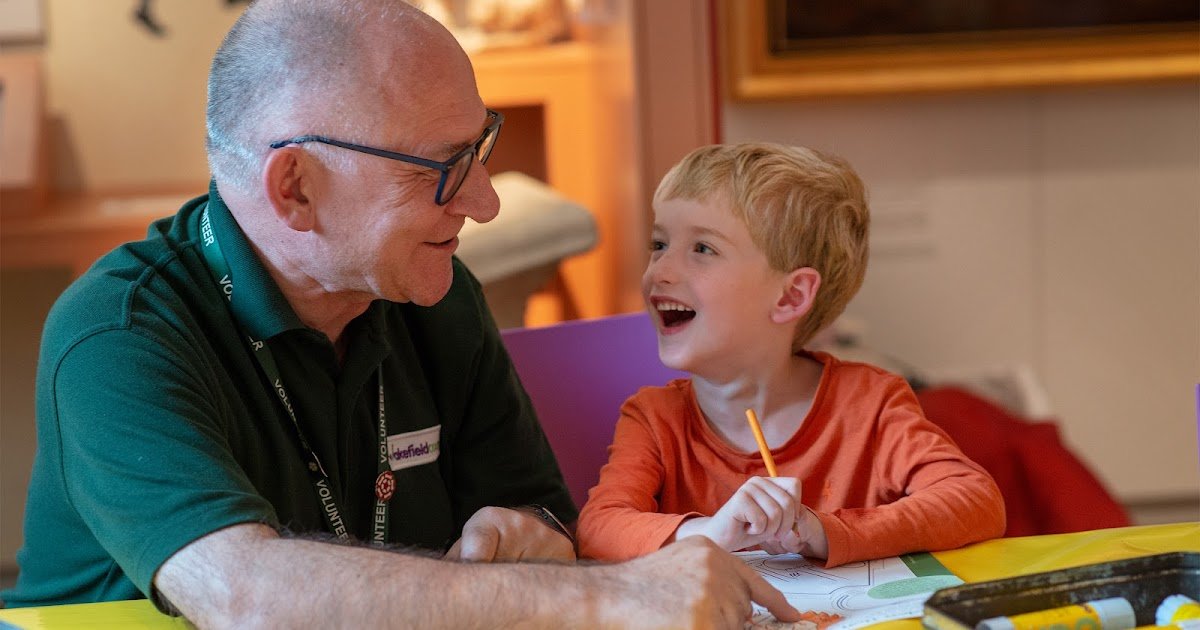
Wakefield, a district rich in history and community spirit, is a place where a helping hand truly makes a difference. If you're looking for meaningful ways to contribute, exploring the diverse volunteering opportunities in Wakefield can be an incredibly rewarding journey. It's more than just filling a slot; it's about connecting with your community, learning new skills, and leaving a lasting positive impact.
At a Glance: Your Guide to Volunteering in Wakefield
- Why Volunteer? Make a real difference, meet new people, gain skills, boost well-being.
- What Can You Do? Roles range from supporting the elderly, helping local charities, preserving heritage, aiding environmental efforts, and much more.
- How to Start? Begin by identifying your interests and availability, then research local organizations and community hubs.
- Key Considerations: Think about time commitment, necessary skills (often none!), and whether you prefer working with people, animals, or behind the scenes.
- It's Flexible: Many opportunities accommodate busy schedules, from a few hours a month to more regular commitments.
Why Wakefield Needs Your Energy (And What's In It For You)
Every community thrives on the collective effort of its members, and Wakefield is no exception. From its bustling city center to its quieter rural parishes, there are countless initiatives that rely on volunteers to keep vital services running, enhance local spaces, and support those in need. When you step up to volunteer, you're not just offering your time; you're investing in the social fabric of the district.
But the benefits aren't one-sided. Volunteering offers a profound return on investment for you, too. It’s a powerful antidote to isolation, a fantastic way to expand your social circle, and an unparalleled opportunity for personal growth. Imagine gaining practical experience in a new field, developing leadership skills, or simply rediscovering a passion you hadn't realized you had. Many volunteers report significant improvements in their mental well-being, feeling a sense of purpose and accomplishment that can be hard to find elsewhere. It’s a chance to step outside your routine, challenge yourself, and often, have a lot of fun while doing good.
Navigating the Landscape: Finding Your Ideal Volunteering Niche
Wakefield’s volunteering scene is vibrant and varied, which means there’s likely a perfect fit for almost anyone, regardless of their background or availability. The first step is less about finding a specific organization and more about understanding what you want to give and gain.
Think about your passions. Do you love animals? Are you passionate about history, or perhaps safeguarding the environment? Do you enjoy working directly with people, or would you prefer a more behind-the-scenes administrative role? Your answers will help narrow down the vast array of options.
Several key avenues exist for discovering opportunities:
- Local Volunteer Bureaus and Hubs: These organizations often act as central points, connecting potential volunteers with charities and community groups. They can provide advice, list vacancies, and help you find a match that aligns with your interests and availability.
- Charity and Organisation Websites: Many local charities, especially those with larger operations, will list specific volunteer roles directly on their websites. This is often where you'll find the most detailed descriptions of what's involved.
- Community Notice Boards and Social Media: Local community centers, libraries, and even local social media groups (like Facebook community pages) often post requests for volunteers, particularly for smaller, neighborhood-focused initiatives or one-off events.
- Word of Mouth: Sometimes, the best opportunities come from simply asking around. Talk to friends, family, or colleagues who volunteer; they might know of a great organization looking for help.
When you're ready to dive deeper into local charitable efforts and see how you can connect, you might want to Learn more about Charity Wakefield and the various ways it supports the community. This can be a great starting point for understanding the local needs and available avenues for involvement.
A Spectrum of Service: Types of Roles You Might Discover in Wakefield
The range of volunteering roles in Wakefield is incredibly broad, encompassing everything from direct support to administrative tasks, physical labor, and creative endeavors. Here's a glimpse into the kinds of opportunities you might encounter:
Supporting Vulnerable Populations
Many organizations in Wakefield are dedicated to helping those who need it most. This could involve:
- Elderly Care: Providing companionship, helping with errands, or assisting at day centers for older adults. These roles are invaluable in combating loneliness and ensuring seniors remain connected to their community.
- Children and Youth Services: Mentoring young people, helping at after-school clubs, or supporting youth organizations. These roles can shape futures and provide positive role models.
- Homeless Support: Assisting at food banks, soup kitchens, or shelters, offering a warm meal, a listening ear, or practical help to individuals experiencing homelessness.
- Disability Support: Helping individuals with disabilities access services, participate in activities, or simply live more independently.
Environmental Stewardship
Wakefield boasts beautiful parks, green spaces, and waterways, all of which benefit from dedicated volunteers. If you love the outdoors, you might find roles in:
- Park Friends Groups: Helping maintain local parks, planting flowers, litter picking, or assisting with community events.
- Conservation Projects: Working with local trusts on habitat restoration, wildlife monitoring, or woodland management.
- Community Gardens: Contributing to urban growing projects, helping cultivate food for local residents, or maintaining shared green spaces.
Heritage and Culture
With its rich history, Wakefield has numerous museums, art galleries, and historic sites that often rely on volunteers to bring their stories to life.
- Museum Guides/Stewards: Greeting visitors, providing information, or assisting with exhibitions.
- Archival Support: Helping organize and preserve historical documents, a quiet but crucial role for history buffs.
- Event Support: Assisting with cultural festivals, workshops, or performances, from setting up to managing attendees.
Health and Well-being
From hospitals to local support groups, volunteers play a vital role in enhancing health services and offering comfort.
- Hospital Volunteers: Offering patient support, helping with wayfinding, or assisting staff with non-medical tasks.
- Hospice Support: Providing companionship, administrative help, or assisting with fundraising events for end-of-life care services.
- Mental Health Support: Contributing to peer support groups, advocacy initiatives, or awareness campaigns.
Animal Welfare
If you have a soft spot for furry, feathered, or scaled friends, there are always opportunities to help.
- Animal Shelters: Assisting with cleaning, feeding, walking dogs, or socializing cats to help them find their forever homes.
- Wildlife Rescues: Helping with the care and rehabilitation of injured or orphaned local wildlife.
Community Development and Events
Many hands make light work when it comes to organizing local events or supporting community infrastructure.
- Festival Volunteers: Helping with setup, stewarding, or clear-up for local fairs, markets, or cultural events.
- Community Centre Support: Assisting with reception duties, organizing activities, or helping with maintenance tasks.
- Fundraising: Contributing to charity events, whether by helping plan, promote, or participate in the day's activities.
This diverse range means that whatever your skills, interests, or availability, there's very likely a cause in Wakefield that could benefit from your unique contribution.
Your Volunteering Journey: Getting Started, Step by Step
Ready to take the leap? Here’s a practical guide to turning your intention into action:
Step 1: Self-Assessment – Know Thyself
Before you even start looking at listings, take a moment for honest self-reflection:
- What are your passions? What causes truly ignite your enthusiasm?
- What skills do you have? Think broadly – are you organized, a good listener, handy with tools, great at social media, or a natural leader? Even seemingly simple skills like reliability and a friendly demeanor are highly valued.
- How much time can you realistically commit? Be honest. Is it an hour a week, a day a month, or just for specific events? It's better to start small and consistently than overcommit and burn out.
- What kind of environment do you prefer? Do you thrive in bustling social settings, or do you prefer quiet, independent work? Outdoors or indoors?
Step 2: Research Local Options
Armed with your self-assessment, start exploring.
- Utilize Online Platforms: Websites of local volunteer centers (a quick search for "Wakefield volunteer bureau" will help), charity commission registers, and even general job sites sometimes list volunteer roles.
- Visit Community Hubs: Libraries, community centers, and local council offices often have information or notice boards with opportunities.
- Direct Approach: If there's a specific charity in Wakefield you admire, visit their website or give them a call. Even if they don't have a specific role advertised, they might be open to discussing how your skills could help.
Step 3: Make Contact and Express Interest
Once you've found an opportunity that sparks your interest:
- Read the Description Carefully: Understand what the role entails, the commitment required, and any specific requirements.
- Prepare Your Inquiry: Whether it's an online application form or an email, clearly state your interest, why you're a good fit, and what you hope to gain. Briefly mention your relevant skills and availability.
- Be Patient: Charities are often run by busy staff, so it might take a little time to hear back.
Step 4: The Interview/Onboarding Process
Most organizations will want to meet you before you start. This isn't usually a formal job interview but more of a chat to ensure it's a good fit for both sides.
- Be Prepared to Ask Questions: This is your chance to learn more about the role, the team, and the organization's mission. Ask about training, supervision, and what a typical session looks like.
- DBS Checks (Disclosure and Barring Service): If your role involves working with children or vulnerable adults, a DBS check will be required. The organization will guide you through this process, and it's usually free for volunteers.
- Training and Orientation: Most reputable organizations provide some form of induction and training to ensure you feel confident and prepared for your role.
Step 5: Embrace the Commitment
Once you start, consistency and reliability are key.
- Communicate: If your availability changes or you anticipate being unable to attend, let the organization know as soon as possible.
- Be Proactive: Don't be afraid to ask for more responsibility or suggest new ideas if you see opportunities for improvement.
- Reflect: Regularly think about what you're enjoying, what challenges you're facing, and how you're growing.
Common Hurdles & How to Clear Them
Even with the best intentions, potential volunteers sometimes face obstacles. Here’s how to navigate them:
"I Don't Have Enough Time."
This is perhaps the most common concern.
- Solution: Look for flexible roles. Many opportunities don't require a weekly commitment. Consider one-off events, project-based tasks, or roles that only require a few hours a month. Online volunteering (e.g., social media management, data entry) can also be done on your own schedule from home. Small contributions add up!
"I Don't Have Any Special Skills."
Many people believe they need specific professional qualifications to volunteer.
- Solution: Most entry-level volunteering roles require enthusiasm, reliability, and a willingness to learn, far more than specialized skills. Organizations often provide all the necessary training. Your everyday life skills – being a good listener, organized, friendly, or simply a reliable pair of hands – are incredibly valuable.
"I Feel Overwhelmed by All the Options."
The sheer number of possibilities can sometimes be daunting.
- Solution: Go back to the self-assessment. What's the one thing you care about most? Start there. Or, pick a broad category (e.g., "helping people") and contact a general volunteer bureau in Wakefield; they can help filter options based on your preferences. Sometimes, just choosing something to start with helps, and you can always change roles later.
"I'm Worried About Finding the Right Fit."
It's natural to want to ensure your time is well spent and that you enjoy the experience.
- Solution: Treat your first volunteering role as a trial. Many organizations are happy for you to start on a probationary basis or take on a short-term project to see if it suits you. Don't be afraid to try different things until you find a role that genuinely energizes you. Open communication with the volunteer coordinator is crucial.
Beyond the Basics: Making the Most of Your Volunteering Experience
Volunteering is a dynamic experience that can evolve and deepen over time. Here's how to maximize its potential:
Upskilling and Professional Development
Don't underestimate the practical skills you can gain. Many roles offer training in areas like first aid, safeguarding, communication, event management, or even specific software. These are transferable skills that can enhance your CV and boost your career prospects. Actively seek out learning opportunities within your volunteer role.
Networking and Connection
Volunteering puts you in touch with a diverse group of people – fellow volunteers, staff, and beneficiaries. This is an excellent way to expand your personal and professional network, meet like-minded individuals, and forge new friendships. Attend volunteer appreciation events and actively engage with others.
Practicing Self-Care
While volunteering is rewarding, it can also be emotionally or physically demanding, depending on the role. It’s important to recognize your limits and practice self-care. Ensure you're not overcommitting, take breaks when needed, and talk to your volunteer coordinator if you're feeling overwhelmed. A happy, healthy volunteer is a sustainable volunteer.
Long-Term Engagement and Impact
As you settle into your role, consider how you might deepen your impact. Could you take on more responsibility? Mentor new volunteers? Or perhaps help with fundraising or advocacy for the cause? Long-term commitment often leads to greater satisfaction and allows you to witness the tangible difference you're making over time.
FAQs for Prospective Volunteers in Wakefield
Do I need prior experience to volunteer?
Generally, no. Most organizations are looking for enthusiasm, reliability, and a willingness to learn. They will provide any necessary training. Some specialist roles might require specific skills (e.g., counseling), but these are usually clearly stated.
How much time do I need to commit?
This varies hugely. Some roles are just a few hours once a month or for a specific event, while others might ask for a regular weekly commitment. Be honest about your availability during your self-assessment, and discuss it openly with the organization.
Can I volunteer if I have a disability or health condition?
Absolutely. Many organizations are keen to be inclusive and will make reasonable adjustments to ensure you can participate meaningfully. It's best to discuss any specific needs with the volunteer coordinator to find a suitable role.
What about DBS checks?
If your volunteer role involves working with children or vulnerable adults, a Disclosure and Barring Service (DBS) check will be required by law. The charity or organization will arrange this for you and usually cover the cost.
Is there an age limit for volunteering?
While some roles might have age restrictions for legal or practical reasons (e.g., working with heavy machinery, or being under 16), many opportunities are open to younger volunteers (with parental consent) and there's no upper age limit. Your experience and wisdom are often highly valued!
What if I try a role and it's not for me?
It happens! Don't feel bad about it. It's important to find a role that you genuinely enjoy and feel good about. Communicate openly with your volunteer coordinator, explain your reasons, and they will likely understand. Then, you can explore other options.
Your Next Step: Finding Your Fit in Wakefield
Stepping into the world of volunteering in Wakefield is an incredibly rewarding decision. It's a chance to enrich your own life while making a tangible difference in the lives of others and the health of your community. Don't let uncertainty hold you back. Start with that self-assessment, explore the options available, and take that first confident step.
Whether you're passionate about preserving local history, supporting vulnerable neighbors, tending to green spaces, or bringing a smile to someone's face, there’s a place for you. The district of Wakefield is waiting for your unique contribution – so go on, find your cause, lend your voice, and let your actions speak volumes. Your journey of impact starts today.